📊 Transfer your retirement annuity to Fynbos. See what your current fees are costing you with our calculator.
Read: ≈ 4-5 min
Watch: 3 min 30
Quick takeaways
Diversification means spreading your money across different investments so that you are not dependent on a single outcome.
A diversified portfolio can reduce the impact of any one investment performing badly.
Diversification does not remove risk, but it can help manage it in a more balanced way.
What this guide covers
Now that you know who manages your money and how investment products are structured, diversification helps you understand how risk is shared inside those products. This guide explains diversification, showing how it can reduce risk, and suggests practical ways to think about spreading your investments.
What it is
Diversification is a way of managing risk by not putting all your money into one investment, one company, or one type of asset.
Instead, you spread your investments across different assets, sectors, or regions. The idea is that when some parts are doing poorly, others may do better, which can smooth your overall experience.
Many collective investment funds are diversified by design, because they invest in a range of holdings rather than just one. This is why most people diversify without realising it. When you choose a fund on a platform, you are buying a share of a portfolio that may already hold dozens or hundreds of underlying investments.
Good funds make these decisions within a stated strategy for you.
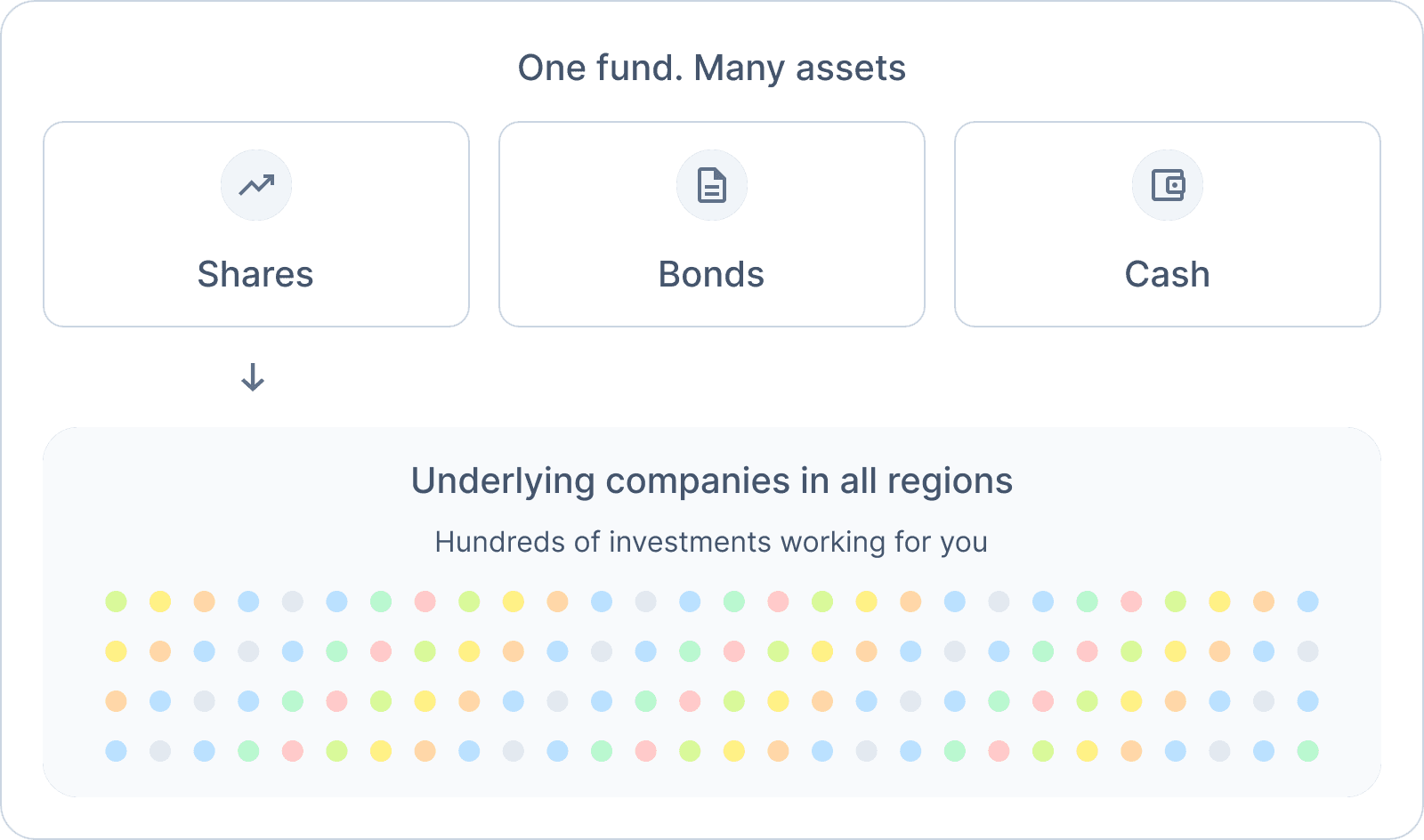
Figure 2: Diversification across assets and companies
Why it matters
If you hold a single share or a small number of similar investments, your outcome is tied closely to what happens to those specific choices. Good performance can feel very rewarding, but bad performance can be severe.
A diversified portfolio is less dependent on any single decision. You are still exposed to market risk, but you are less exposed to the risk of one company or sector failing. This matters because beginners often expect diversification to prevent losses. It does not.
Diversification simply means those movements may feel more manageable, which makes it easier to stay invested through the ups and downs that support long-term growth.
How it works
You can diversify in several ways. For example, you can spread money across different asset classes such as shares, bonds, and cash. You can also diversify by sector, region, or investment style.
Investments in the same sector or region often move together (a concept called correlation) which means they can all be affected by the same news or market forces.
In practice, many people achieve diversification by using funds that hold many underlying investments. A single fund can give exposure to hundreds of companies, rather than expecting you to build and manage that list yourself.
The right mix depends on your time horizon and comfort with risk. If you are investing for many years, a more growth-focused fund may make sense because short-term swings have time to even out. If you need the money sooner, a lower-risk blend may feel more stable. What matters is that your mix matches when you need the money.
More growth-focused assets usually come with more volatility, while lower-risk assets may grow more slowly. A long-term goal, such as saving for retirement, can often tolerate more ups and downs along the way because there is time for markets to recover. A goal that is only a few years away, such as money needed for education, may call for a steadier mix so that short-term swings feel more manageable.
Many funds hold similar underlying shares or bonds. If you combine several funds that invest in the same way, you may think you are diversifying but are still exposed to the same risks. Looking at the fund’s fact sheet can help you see how similar or different they are.
Key considerations
Diversification reduces exposure to individual holdings but does not protect you from broad market declines.
Two funds managed by different companies can still invest in the same underlying companies. Holding too many similar investments is not true diversification.
Highly correlated holdings can rise or fall at the same time, even when they appear diversified on the surface.
Costs still matter. A well-diversified portfolio with unnecessarily high fees may not serve you well.
Your mix of assets should align with how long you plan to invest and how you handle ups and downs.
Risk is not about being brave or conservative. It is about matching your investment to when you need the money and how you react to market movement.
Review your mix periodically, as your situation and goals may change over time.
A simple example
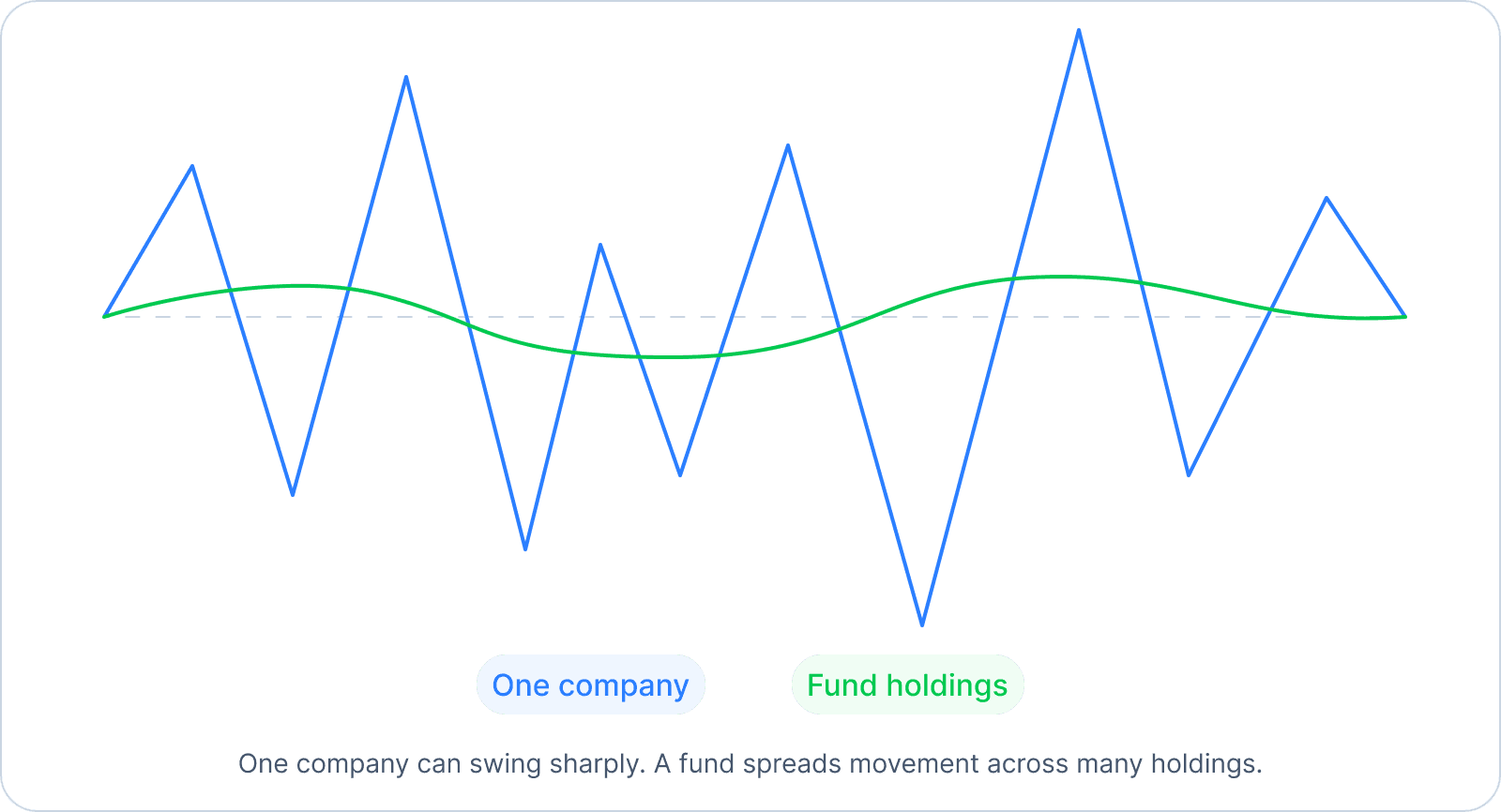
Figure 2: Concentration vs diversification across a single company and a fund
Imagine you invest all your money in one company. If that company struggles or fails, your investment can lose a large portion of its value.
If you instead invest in a fund that holds a broad basket of companies, the impact of one company doing poorly is smaller. For example, a single balanced fund might already hold shares, bonds, and cash from markets in South Africa and overseas. You are getting many layers of diversification in one choice.
Some may do badly, others may do well, and the overall result is more balanced.
Getting started
Look at your current investments and list how many different holdings you have.
If you notice that several of your funds hold the same top companies, you may be more concentrated than you realise. This is common when people pick multiple funds with similar strategies.Check whether these holdings are concentrated in one sector, region, or asset type.
For many people, a single well-constructed fund is enough. Adding more funds is not always necessary and can make understanding your mix more complicated.Consider whether using diversified funds could give you broader exposure.
Align your mix of assets with your time horizon and risk comfort.
Avoid making frequent changes based on short-term news. Focus on the bigger picture.
Review and maintain
Review your level of diversification once a year. Over time, some investments may grow faster than others, and your mix can drift away from what you intended.
Adjust carefully if needed, rather than reacting to every market move. Most people only need to make changes when their life situation shifts, not when the market moves.
Diversification is a long-term tool for managing risk, not a short-term tactic.
This guide is for educational purposes and is not financial advice.